
A quiet yet pressing crisis in childhood independence has emerged. Recent research, including a study published in the Journal of Pediatrics, highlights declining levels of self-reliance among children and suggests this tendency could contribute to increasing rates of mental health challenges. Concurrently, surveys such as one from Mott Children’s Hospital reveal a discrepancy: many parents believe they grant more freedom than they actually do in daily life. However, a well-researched and practical framework known as autonomy-supportive parenting provides a clear, evidence-based solution. Grounded in decades of psychological science, this approach lets parents to balance guidance with freedom, fostering children who are both capable and deeply connected to their own sense of self.
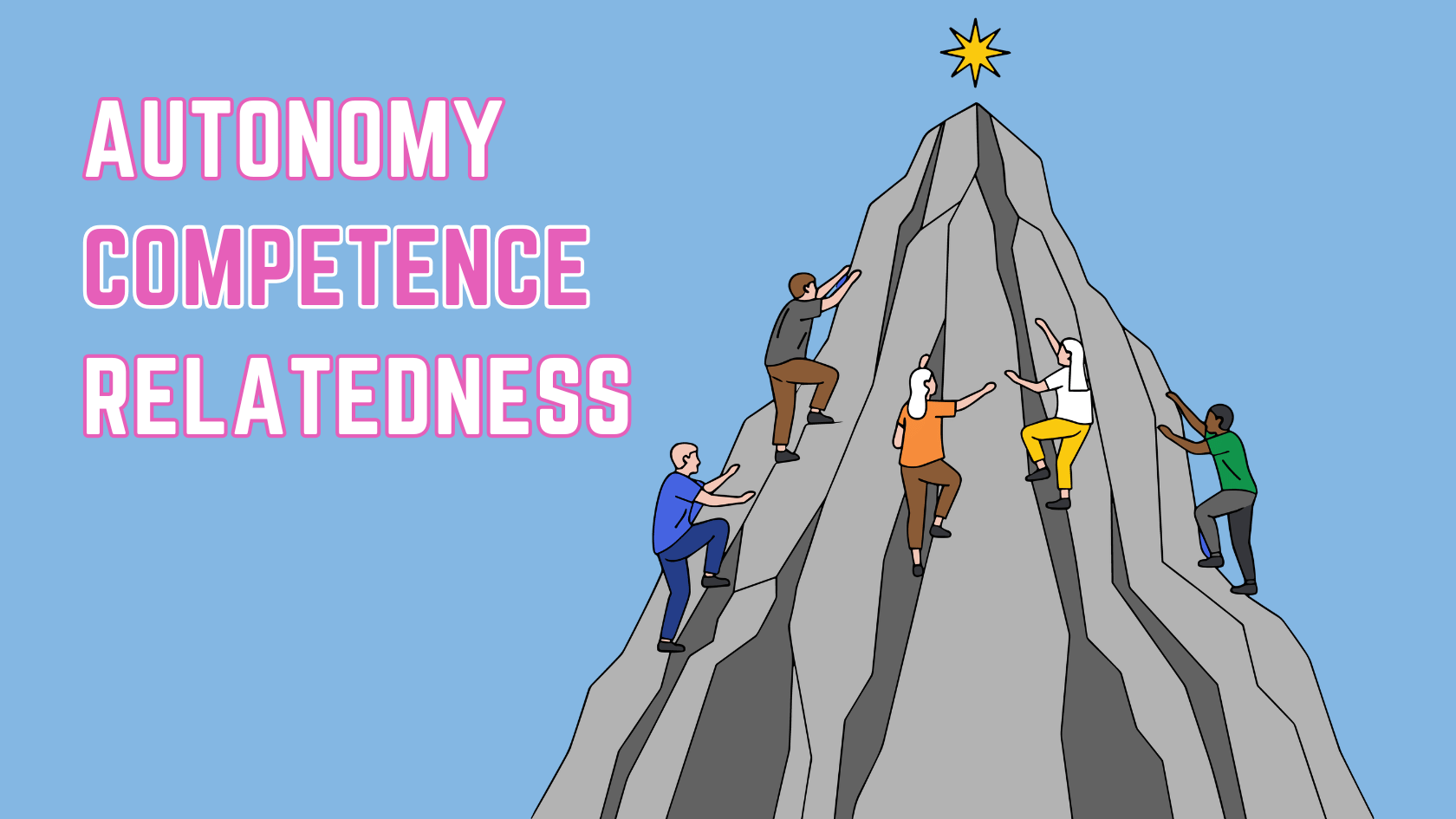
Autonomy-supportive parenting is grounded in self-determination theory (SDT), which identifies three universal psychological needs essential for human flourishing: autonomy (the sense of being in control of one’s own life), competence (the perception of being effective and skilled), and relatedness (the experience of belonging and connection). When these needs are met, children demonstrate greater well-being, resilience, and intrinsic motivation. Conversely, when these needs are frustrated, often due to overly controlling or intrusive parenting styles, issues such as anxiety, low self-esteem, and behavioral difficulties may arise. This approach does not advocate for hands-off or permissive parenting; rather, it focuses on providing structure and limits while actively nurturing children’s agency, skill development, and emotional bonds.
The Science Behind the Three Core Needs
Autonomy frequently becomes a focal point in family dynamics. From toddlers who insist on “doing it myself” to teenagers negotiating curfews, children are inherently motivated to seek control over their choices and actions. Parents, however, remain responsible for safety, rules, and long-term outcomes. Autonomy-supportive parenting addresses this tension by acknowledging the natural hierarchy in which adults establish boundaries, while intentionally creating opportunities for children to experience genuine self-governance. Research constantly demonstrates that individuals who feel autonomous show greater self-esteem, stronger personality integration (a key indicator of authentic self-knowledge), increased mental well-being, and more satisfying relationships. In practice, this involves offering meaningful choices, explaining the rationale behind rules rather than issuing commands, and inviting children’s input on decisions that affect them.
Competence is fundamental to the development of independence. When children perceive themselves as capable, their intrinsic motivation increases, leading to a positive cycle in which they confront challenges, learn from mistakes, and further develop their skills. Parents play a critical scaffolding role by providing sufficient support to extend abilities without assuming control. This approach requires tolerating mess, frustration, and occasional failure rather than intervening to resolve difficulties. Importantly, scaffolding is not synonymous with coddling or rescuing; it involves calibrated assistance tailored to a child’s current level of readiness. Over time, this process cultivates not only practical skills such as laundry, cooking, and organization, but also the deeper confidence that results from mastering real-world tasks.
Relatedness serves as the relational foundation that sustains both autonomy and competence. Children who feel strongly connected to their families display higher resilience to stress and are better prepared to form healthy relationships beyond the home. Rather than conflicting with independence, strong family ties facilitate it; children are more willing to explore and take risks when they are confident in the security of their home environment. Building relatedness involves consistent, everyday practices such as active listening, demonstrating empathy during conflicts, and engaging in shared rituals that affirm a sense of belonging. These continuing efforts produce long-term benefits throughout a child’s life.
These three psychological needs are interdependent. Relatedness offers the emotional security necessary for autonomy to develop, while competence equips children with the skills to exercise autonomy responsibly. When all three needs are supported, parenting shifts from a focus on control to one of partnership, reducing parental burnout and preparing children for real-life challenges.
What Independence Looks Like
For example, a child may confidently sort their own laundry, plan and prepare a family meal, pack their school bag independently, and resolve disagreements with peers by applying problem-solving skills modeled by adults. These milestones develop gradually within an autonomy-supportive environment. The benefits extend beyond daily tasks; as children practice self-direction within a framework of trust and connection, they begin to discover and shape their authentic identities. This process fosters a lifelong sense of agency, characterized by the internal assurance that “I can handle this” and “I know who I am and what I value.” In a context where parental over-involvement is common, this approach provides genuine preparation for adulthood and fosters parental satisfaction.
The autonomy-supportive approach to encouraging independence in children matches closely with Mosaic’s philosophy and learning methods. Mosaic’s philosophy conceptualizes a child’s development as a complex, multi-faceted mosaic. A dynamic collage of perspectives, experiences, interests, and discoveries that children actively construct. Instead of imposing a singular adult-led narrative, this approach uses diverse, participatory tools such as drawings, photographs, maps, storytelling, tours, and observations to listen attentively to children’s voices, recognizing them as competent meaning-makers and active co-researchers in their own learning.
This perspective parallels self-determination theory’s focus on autonomy, competence, and relatedness by shifting power dynamics: adults scaffold rather than direct, respecting children’s agency while assembling a more comprehensive understanding of their inner worlds. In practice, parents and educators who draw from both models may integrate autonomy-supportive strategies with Mosaic-inspired activities, such as encouraging children to document their problem-solving processes or map their expanding responsibilities. This integration fosters not only practical independence but also a rich sense of ownership, belonging, and creative self-expression. Ultimately, children become not only self-sufficient but also self-authored, navigating life with confidence derived from having their unique contributions valued and incorporated into the wider context of their development.
