Helping children become independent builds important life skills and confidence. It’s often quicker for parents to do things themselves, but letting kids try on their own, even if it takes more time, is worth it. Here are 10 practical ways to encourage independence at home.
- Offer Small, Simple Tasks
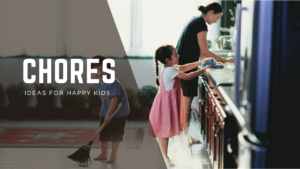
Give your child tasks they can mostly do by themselves, like making a simple sandwich, putting away clean laundry, or watering plants. The result doesn’t have to be perfect—the important thing is that they finish the job on their own. - Allow Uninterrupted Time
Try not to step in and help right away. Give your child time to struggle, experiment, and figure things out. Whether they’re solving a puzzle, getting dressed, or building with blocks, this time to try and learn helps them become better problem-solvers and more persistent. - Clarify What’s Non-Negotiable
Some things aren’t choices, like safety rules, bedtime, and basic hygiene. When you can, offer options within those limits. For example, say, “You must wear a coat outside, but you can choose which one.” - Stick to Steady Routines
Having a regular daily routine helps kids feel safe and capable. When they know what comes next, like waking up, brushing teeth, getting dressed, and eating breakfast, they can do more on their own without needing reminders. - Child-Proof Your Home for Success
Set up your home so kids can do things by themselves. Put plates and cups on low shelves, keep a step stool by the counter, store toys where they can reach them, and hang hooks low for coats and backpacks. When it’s easy for them to help themselves, they’re more likely to try. - Let Mistakes Happen (and Stay Calm)
Spilled milk, mismatched socks, or a crooked sandwich are all chances to learn. Try not to fix things right away. Instead, gently encourage your child by asking, “What do you think we can do next time?” or “Want to try again?” Learning to handle mistakes helps kids become better able to cope and more confident. - Involve Them in Pet Care
Letting your child feed a fish, fill the dog’s water bowl, brush a cat, or help measure pet food gives them real responsibility. Taking care of a pet builds confidence and shows them their actions matter to others. - Permit Safe, Age-Appropriate Risks
Letting kids explore with supervision helps them learn their limits. Climbing a low tree, riding a bike without training wheels, using safe tools, or crossing a quiet street with you nearby are all valuable experiences. Taking safe risks teaches them about their bodies, good judgment, and courage. - Prioritise Unstructured Free Play
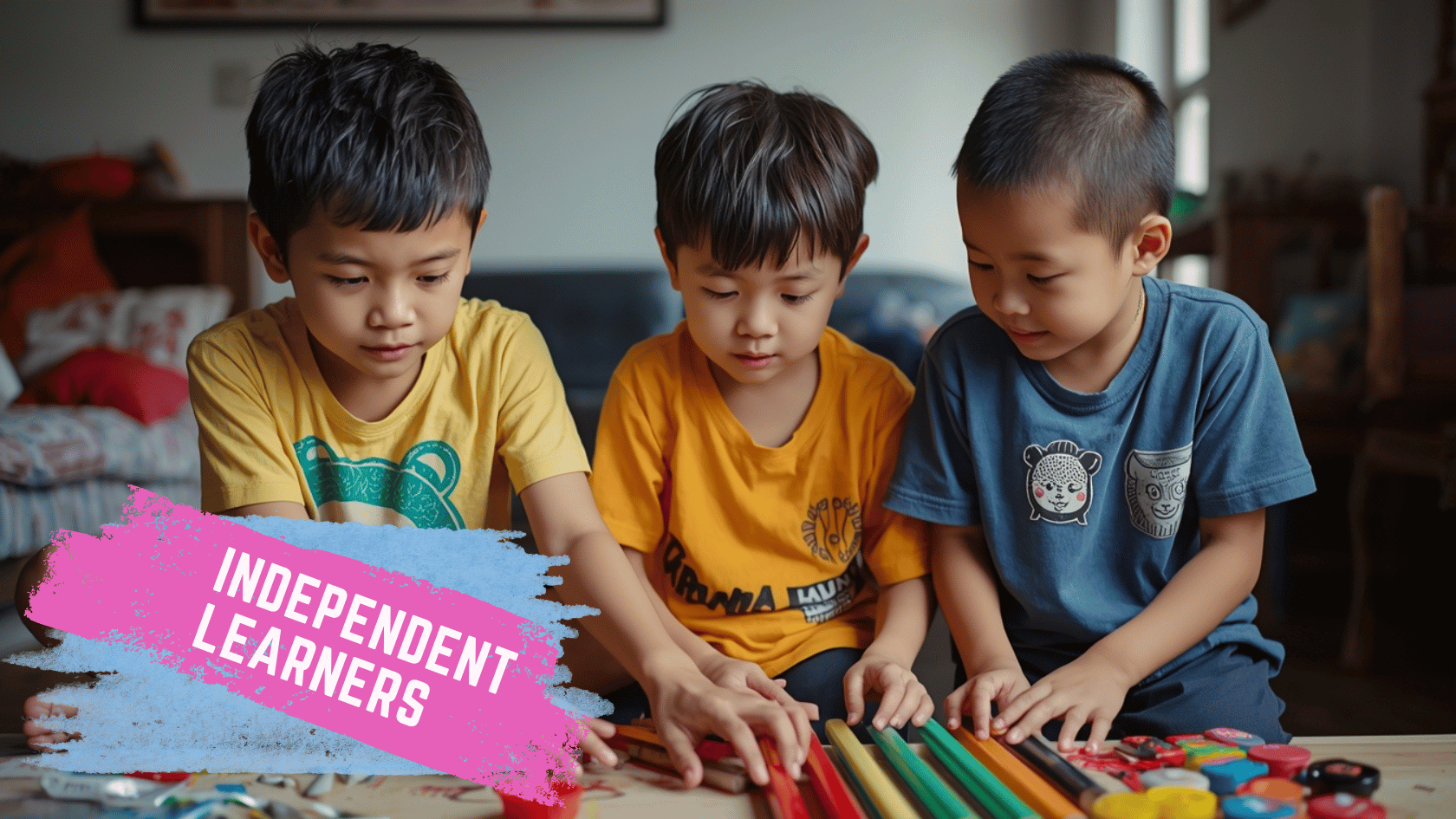
Let kids play freely without adults leading or screens involved. Give them simple things like cardboard boxes, fabric scraps, sticks, or art supplies, and then step back. When they make their own rules, it helps them become more creative and independent. - Give Specific, Genuine Praise
Rather than just saying “Good job!”, point out what your child did well. For example, say, “You kept trying even when the tower fell—that’s great perseverance!” or “You zipped your jacket all by yourself today!” Giving specific feedback helps kids notice and appreciate their progress.
Helping kids become independent takes time and looks different as they grow. The goal isn’t perfection, but to help your child believe they can handle challenges on their own. Small, steady chances to practice add up to big improvements in confidence and self-reliance.