School Breaks often means more time with the kids at home, but it can also mean more mess. With the children out of school, toys, crafts, snacks, and games spread everywhere fast. Many parents wonder how to get children to help with cleaning without fights or nagging.
The good news is that cleaning is a skill kids can learn, just like tying their shoes or riding a bike. It takes clear instructions, fun approaches, and steady habits. Here are some simple, practical ways to encourage kids to tidy up during school breaks and beyond.
1. Give Clear, Small Instructions Instead of Big Commands
Saying “Clean your room” sounds easy to adults, but it can feel huge and confusing to a child. They may not know where to start, so they freeze or avoid it.
Try breaking the job into small, exact steps. For example:
- “Put all the books back on the shelf.”
- “Pick up the Lego pieces and put them in the blue bin.”
- “Take your dirty clothes to the laundry basket.”
These focused directions help kids understand exactly what to do. They feel less overwhelmed and more successful when they finish one part. Start with one or two tasks at a time, then add more as they get the hang of it. This works well for kids of different ages. Younger ones need very simple steps, while older kids can handle a short list.
2. Turn Cleaning into a Quick Game
Nobody likes boring chores, especially kids during a fun break. Make tidying feel playful to get better results.
One easy trick is the “10-minute reset.” Set a timer for 10 minutes and challenge everyone (including yourself) to tidy as much as possible before the buzzer. Play upbeat music to make it lively. You can even race to see who picks up the most items or finishes their zone first.
The short time keeps it from feeling endless, and the game element adds excitement. Many families find that kids start asking to do the timer reset because it feels quick and rewarding. Do it once or twice a day, maybe after lunch and before bedtime, to keep mess from building up.
3. Give Kids the Right Tools
Big adult tools can make cleaning hard or even unsafe for small hands. A huge vacuum or heavy mop frustrates kids and makes them give up.
Look for child-sized or easy tools:
- Small brooms and dustpans
- Mini microfiber cloths for wiping surfaces
- Lightweight spray bottles with water (for older kids)
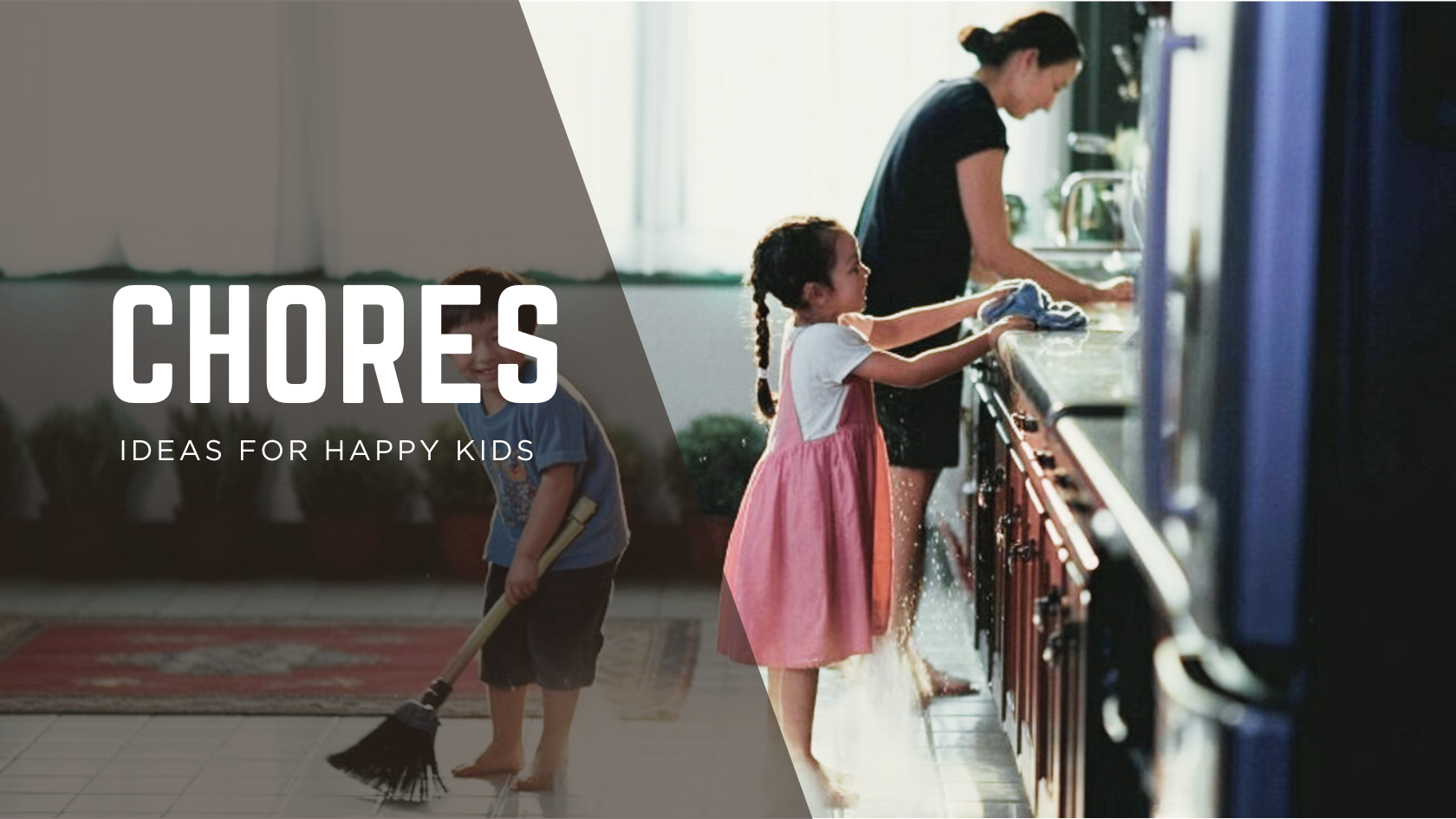
When tools fit their size, kids feel capable and proud. They are more willing to try and keep going. Keep these tools in a low spot they can reach, so cleaning feels like something they own.
4. Set Up “Toy Zones” with Labels
Toys scattered everywhere make cleanup tough. One big bin might seem simple, but kids dump everything in and can’t find things later, or they avoid sorting.
Create clear zones instead:
- Use separate bins or baskets for different types (blocks in one, dolls in another, cars in a third).
- Add labels: Words for older kids, pictures for younger ones.
- Put bins on open shelves at kid height.
When everything has a “home,” putting away becomes straightforward. Kids know exactly where each toy belongs, so cleanup goes faster and they stay organised longer.
5. Follow the “One Activity Rule”
Mess often grows because kids jump from one thing to the next without finishing. They start drawing, then build a fort, then grab snacks, leaving trails behind.
Teach the simple rule: Finish and clean up one activity before starting a new one. For example:
- Put art supplies away before getting out puzzles.
- Tidy toys before screen time.
This stops piles from forming and teaches kids to think about transitions. At first, remind them gently. Over time, it becomes a habit that saves time and reduces stress for everyone.
School breaks mean extra indoor time, more play, and often more clutter. These strategies fit right in because they are short, positive, and build skills without turning fun days into punishment. When kids help willingly, parents feel less frustrated, and the home stays calmer.
Consistency matters most. Pick one or two ideas to try first, praise effort (not just results), and model the behaviour yourself. Kids copy what they see. With practice, tidying becomes part of the routine, not a battle.
School breaks are a perfect time to start these habits. The relaxed schedule allows for teaching without rushing. By the end, your kids may surprise you with how much they can do, and the house will thank you too.